Violence, Injustice, and Inequality: The State of International Migration
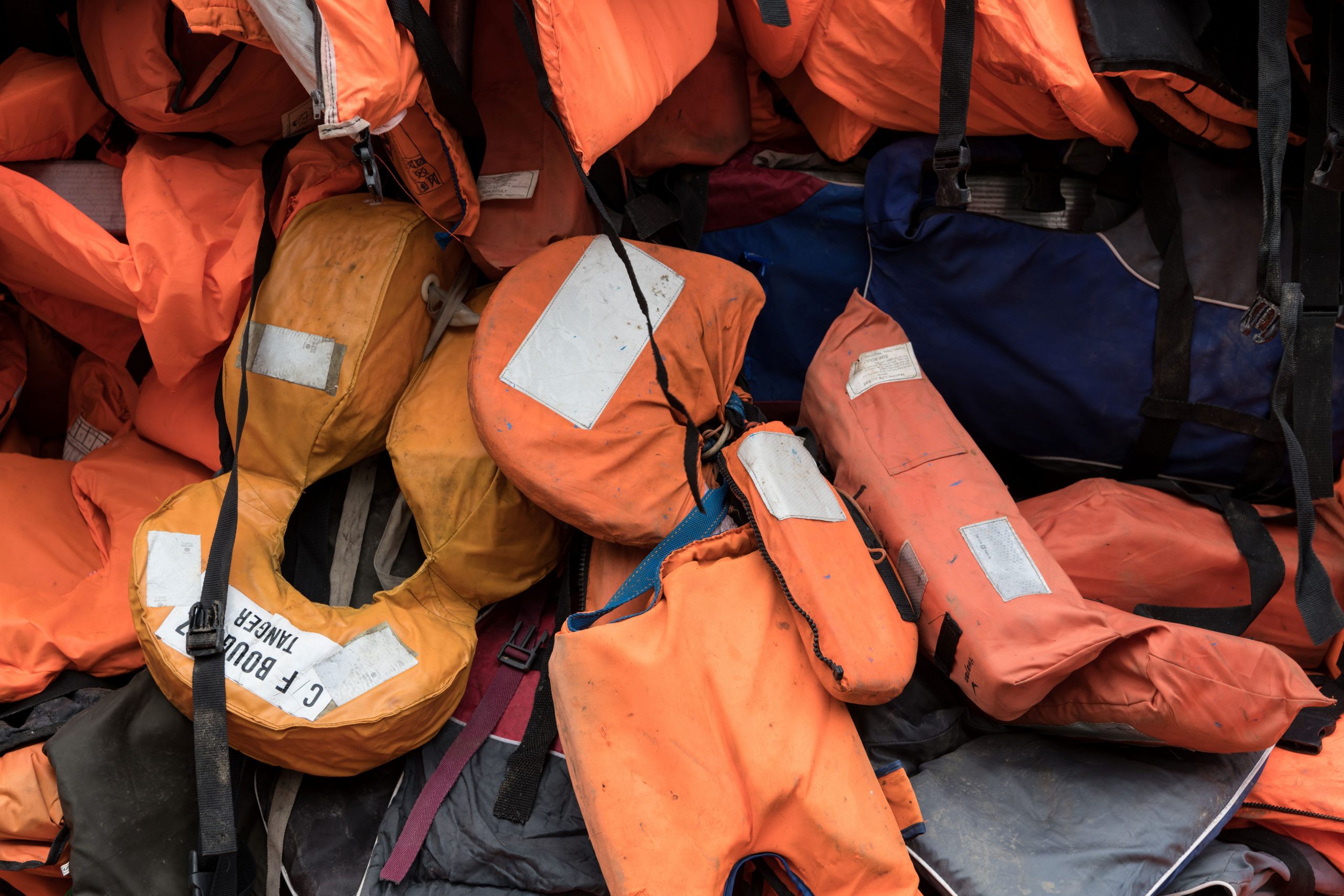
On June 14, 2023, a fishing trawler with over 700 asylum seekers and refugees predominantly from Syria, Palestine, Pakistan, Egypt and Afghanistan on board, sank in the Messenia region of the Mediterranean. The travelers on board had no food or water, the engine was overheating, and a number of people on board were alleged to have died. The boat eventually capsized and sank after floundering for two days in Greek search and rescue waters while under observation by the Hellenic Coast Guard. During this time no rescue operation was launched. It was only after the boat capsized that a search and rescue operation occurred. Just over 100 men were rescued, and 84 bodies were recovered from the water, including all the women and children on board.
On June 18, 2023, a private submersible vessel launched on a sightseeing tour of the Titantic shipwreck. The small vessel was occupied by four passengers and the captain. The passengers on board had paid approximately £250,000 each for the voyage. Shortly after the vessel began its dive, contact was lost and soon afterward a global search and rescue operation was launched. Later, debris of the submersible was confirmed on the ocean floor, and all five occupants were declared dead.
The temporal juxtaposition of these two maritime disasters, and the disparity in both the number of lives lost and the effort spent to save the lives of those on the vessels throw international inequality and injustice into sharp relief. While there is a huge and obvious wealth disparity between the two groups cited in the examples above, economics alone cannot explain the contrast between the framing of and responses to these two disasters.
In her latest publication, Violence, Injustice, and Inequality: The State of International Migration, VISION Co-Investigator Dr Alexandria Innes focuses on the gross inequality that is evident in international migration governance and management. Framed in the concept of inequality as it is variously yet incompletely theorized in international relations scholarship and drawing on Ranciere’s equality as practice, she situates violence as an indicator of inequality that reveals injustice.
Using a case study of domestic violence in the context of the UK’s “hostile environment,” Andri demonstrates how states, exemplified by the UK, adopt domestic violence as a mechanism of immigration deterrence. She argues that, despite the acceptance of domestic violence as a social wrong, and the evidence that domestic violence is pervasive in society, migrant women in insecure status are denied access to necessary forms of protection, which leads to prolonged exposure to domestic violence and reveals continuous violence against migrants in insecure status.
Attending to violence, and in particular state violence, in the global politics of migration reveals the injustice of embedded inequality in the international system. While injustice is immediately legible in violent events, injustice is also embedded in the unequal social order, continuously ordering and bordering protection from and submission to violence.
To download the paper: Violence, Injustice, and Inequality: The State of International Migration
To cite: Alexandria Innes, Violence, Injustice, and Inequality: The State of International Migration, Global Studies Quarterly, Volume 6, Issue 2, April 2026, ksag058, https://doi.org/10.1093/isagsq/ksag058
Photograph from Adobe Photo Stock subscription