“United to End Sextortion”: Launching a New Animation for the 16 Days of Activism
By Dr Nadia Aghtaie, Associate Professor in Criminology, University of Bristol
Sextortion is one of the fastest-growing – and least understood – forms of abuse facing young people today. Yet it is still rarely discussed in schools, families or policy debates.
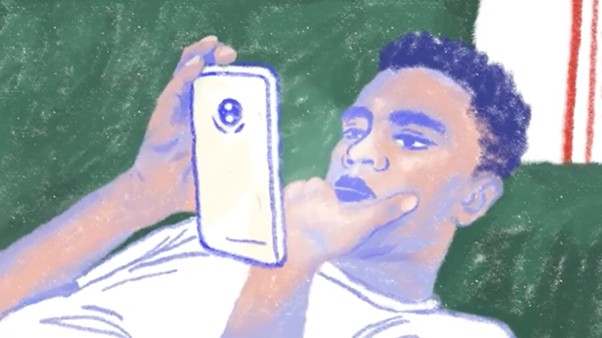
Our new animation, launched as part of the UN 16 Days of Activism against Gender-Based Violence, aims to start those conversations in a way that is accessible, sensitive and grounded in research.
What do we mean by “sextortion”?
We use sextortion to describe situations where someone threatens to share explicit, intimate or embarrassing sexual images without consent in order to force a person to do something – often to send more images, carry out sexual acts, hand over money, or provide other favours (see Ray & Henry 2024; Wolak et al. 2017).
There is still no consistent terminology. Different organisations talk about “image-based sexual abuse”, “online blackmail”, “sexual extortion”, or “sexual corruption”. This lack of shared language makes it harder for young people, parents, teachers and professionals to recognise what is happening and to know where to turn for help.
Why a sextortion animation for young people?
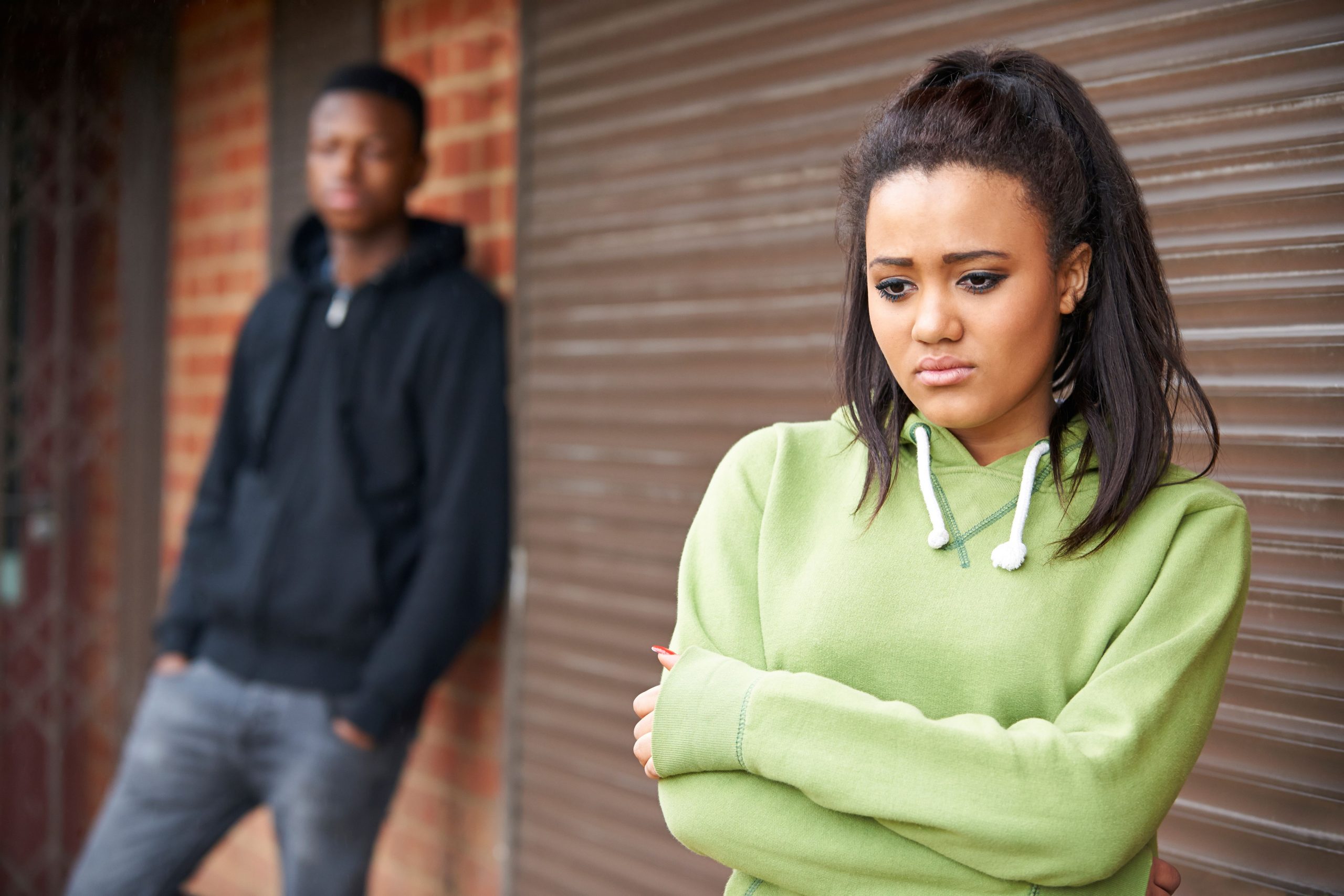
Sextortion doesn’t affect all young people in the same way. Research by NSPCC points to gendered patterns in both who is targeted and what is demanded: boys are often targeted by organised cybercrime gangs demanding money, while girls are more likely to face pressure from people they know – peers, partners or ex-partners – to share more nudes or agree to unwanted sexual acts. Whatever the context, sextortion can be devastating, combining sexual abuse, psychological control, financial exploitation and, for many, intense shame and fear.
These are also experiences that are very hard to talk about. Shame, fear of being blamed, worries about family reactions or community honour, and concerns around immigration status can all create silence. Animation gives us a different way in: it lets us tell a story that feels recognisable without identifying any individual, show clearly that victims are not to blame, signpost routes to support, and open up honest but non-graphic conversations in classrooms, youth groups and families. By launching this animation during the 16 Days of Activism, we place sextortion firmly within global efforts to end violence against women and girls, while recognising that boys and gender-diverse young people are affected too.
From Iran-focused campaign to a wider audience
The initial animations (Coercive Control, Economic Abuse, Active Bystander and Technology Facilitated Abuse) grew out of a wider project on violence against women and girls (VAWG) that began with a focus on Iran. The aim was to design a research-based, evidence-informed animated campaign, United to End Violence Against Women and Girls, to raise awareness of different forms of VAWG and to support intergenerational conversations that might help reduce violence over time.
Although the early work centred on Iranian contexts and the Middle East and North Africa (MENA) region, our previous studies, together with conversations across NGO networks and a school in the UK, quickly showed that these issues are relevant beyond national borders.
Collaboration, creativity and cultural sensitivity
The animations have been funded by VISION Consortium and Bristol ESRC Accelerator Award and shaped by a multidisciplinary team including academic colleagues from City St George University (Dr Ladan Hashemi & Professor Sally McManus); the University of Bristol (Associate Professor Nadia Aghtaie); Leeds Beckett University (Dorreh Khatibi-Hill); Goldsmiths (Dr Atlas Torbati) and University for the Creative Arts (Professor Birgitta Hosea). We have worked closely with two NGOs as advisory partners and an animation team:
- An Iran-based NGO working with women from diverse backgrounds and running specialist programmes for survivors of gender-based violence. We do not name the organisation here for security reasons, as this could limit how widely the animations can be shared.
- IKWRO, a London-based charity supporting women and girls from Middle Eastern and North African communities who are facing “honour”-based abuse, forced marriage and other forms of VAWG.
- “Resilient Anonymous Creators”: An animation team based in Iran. For security reasons, we cannot name them publicly. The name “resilient anonymous creators” is a reflection of both their creativity and the structural barriers they are forced to navigate. We are deeply grateful for their courage, commitment and artistry; this work is only possible because of them.
Ultimately, our goal is simple: to give young people, and the adults who support them, a starting point – a shared language, a shared story and a shared commitment to challenging sextortion and other forms of digital-based abuse wherever they occur.
Link to Women’s Research Hub YouTube Channel
Link to Women’s Research Hub Instagram Account
For further information, please contact Ladan at ladan.hashemi@citystgeorges.ac.uk